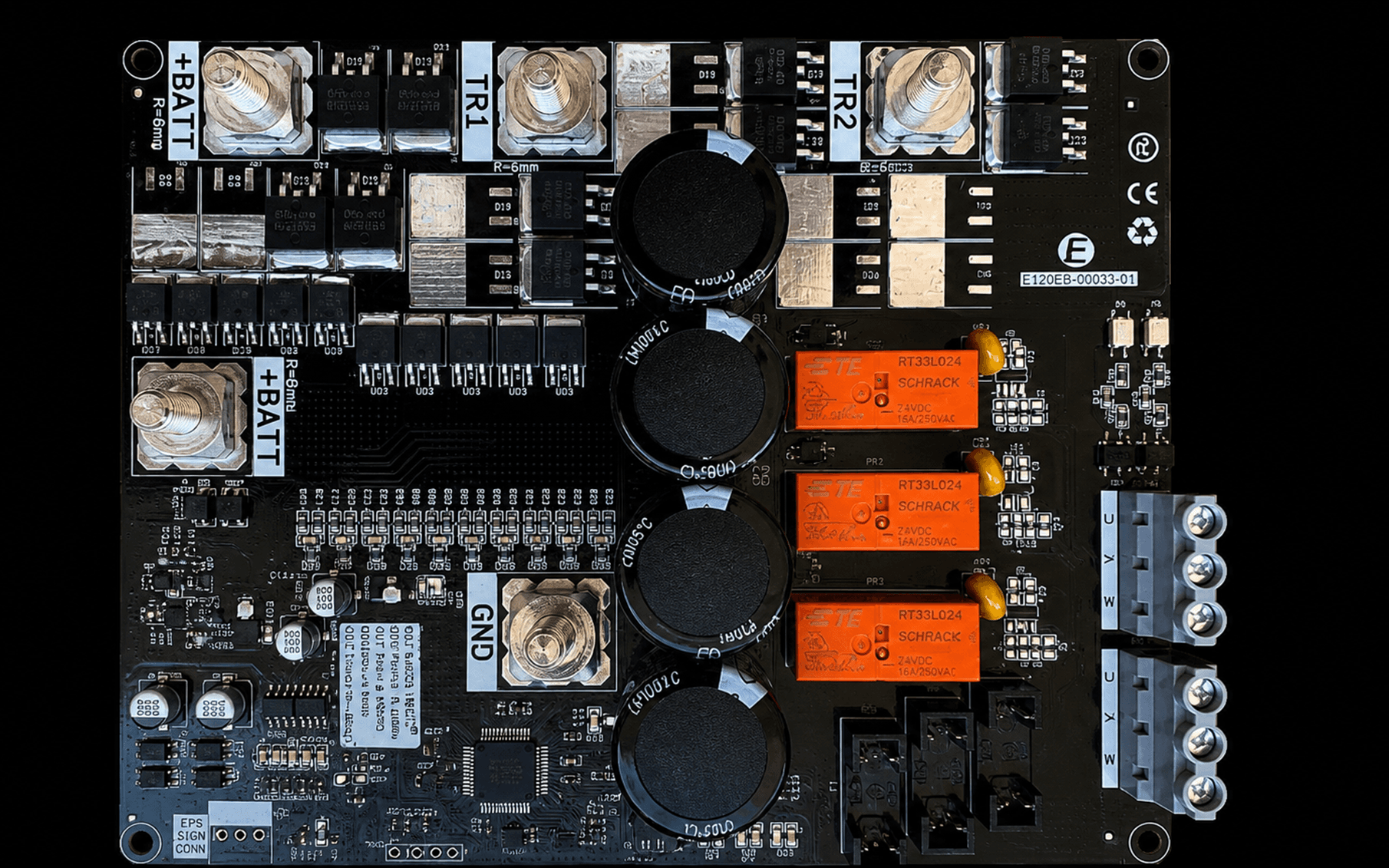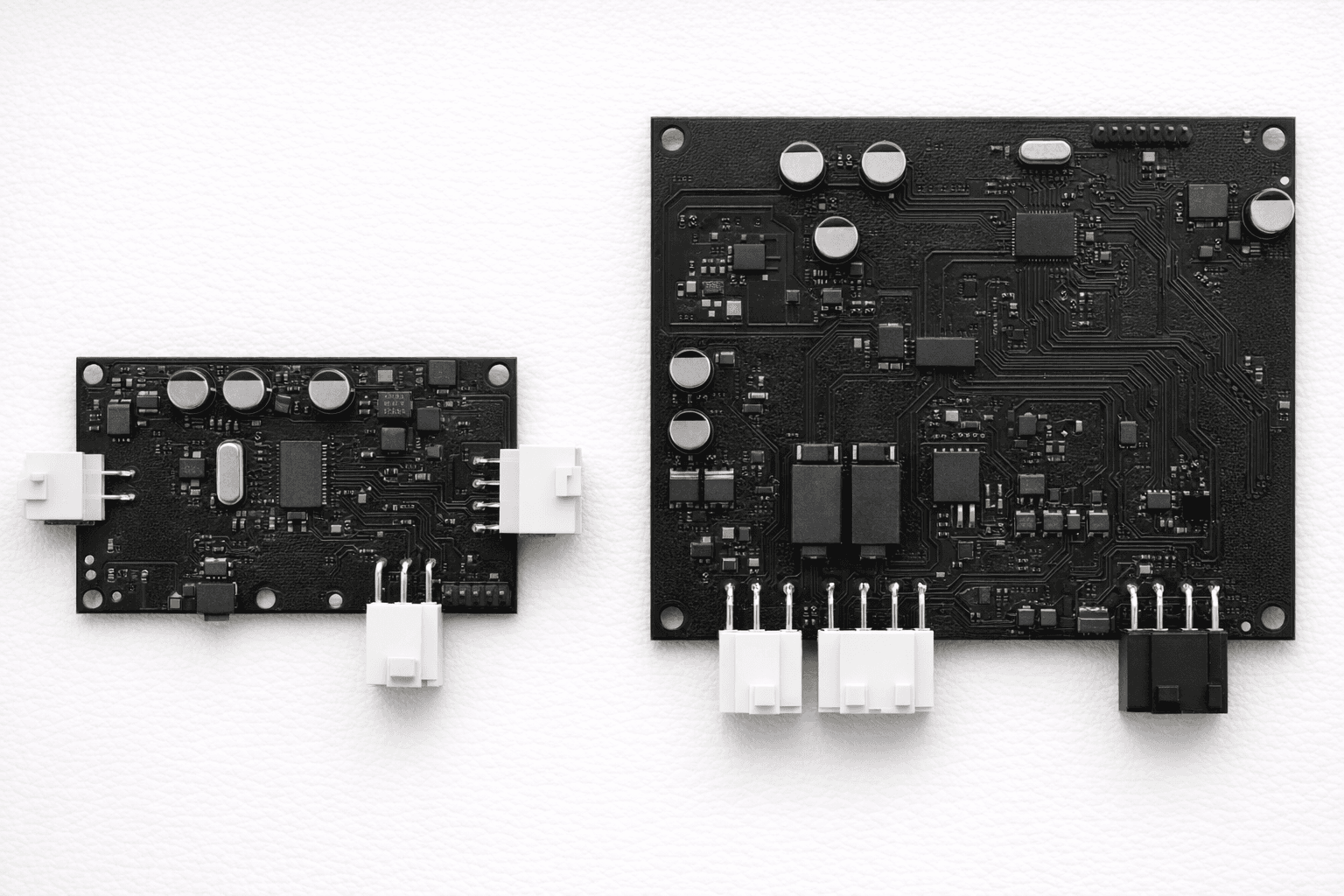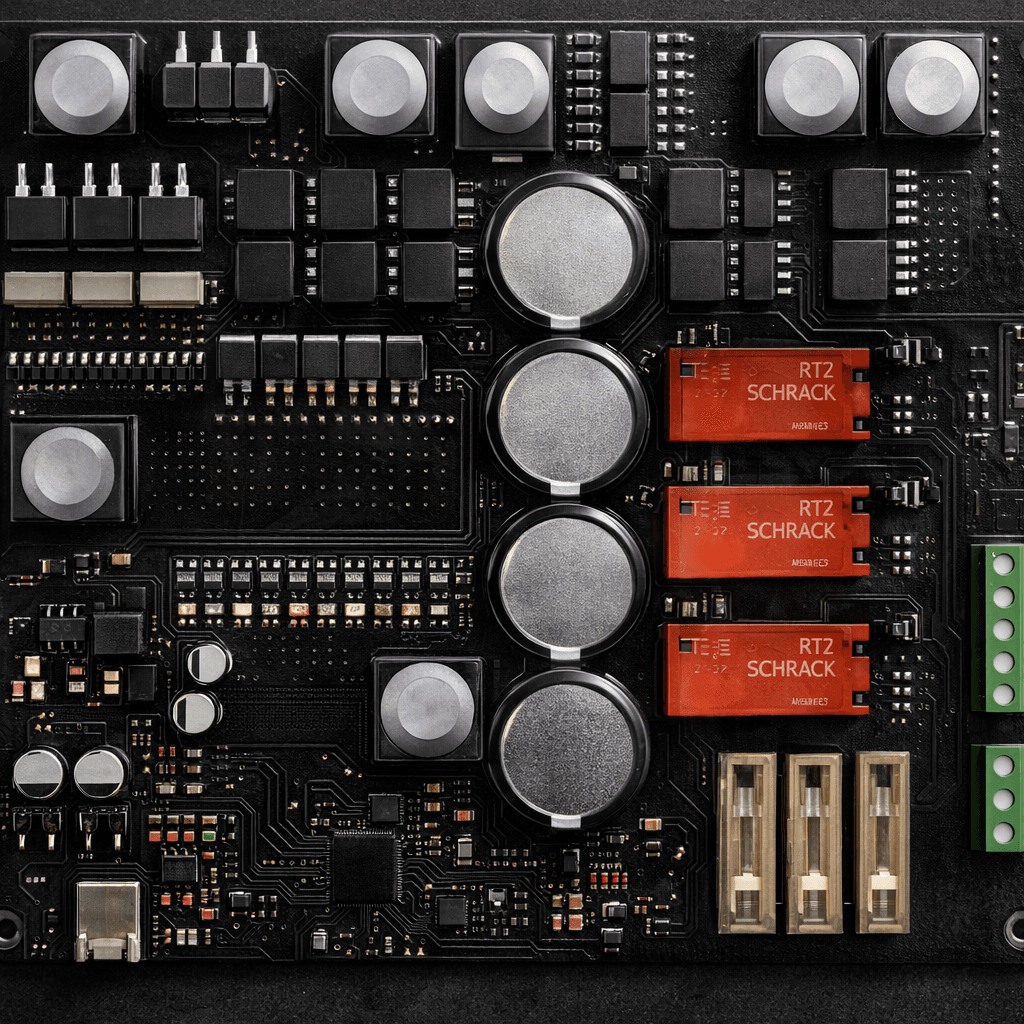
400A Automotive Power Distribution Unit
Flagship power-distribution platform developed around controlled current paths, layered protection, and an automotive-ready layout prepared for validation and production.

Layout, project media, and interface layers are being assembled into the next screen.
From high-current distribution units to embedded control boards, Sadık Süme develops electronics architecture, PCB layout, firmware coordination, and validation support with a focus on reliability, manufacturability, and disciplined execution.

Every engagement balances system intent, electrical discipline, and deployment reality. The target is not simply a board that powers on, but a platform that remains manufacturable, diagnosable, serviceable, and dependable after it leaves the bench.
ATS and STS platforms, protected distribution paths, and high-reliability switching architectures for critical power continuity.
Fuse and power modules, lighting electronics, passenger interfaces, and subsystem boards developed for automotive constraints.
Power conversion, sensing, machine electronics, and durable control hardware prepared for real field duty.
STM32 and PIC firmware, diagnostics, communication stacks, and board-level coordination for production-minded embedded platforms.
USB-485, USB-UART, RFID, UHF, GNSS, and custom interface hardware integrated with practical system constraints in mind.
Motor drivers, detectors, irrigation, garage, and custom automation electronics that connect hardware decisions to real operating use cases.
Each phase is arranged to remove ambiguity early and protect execution later. Requirements become architecture, architecture becomes hardware decisions, and hardware decisions move into validation and production with traceable engineering logic.
Translate requirements, interfaces, electrical limits, and product context into a clear technical direction.
Build schematics, PCB layout, component strategy, and protection decisions with manufacturing in mind.
Align firmware behavior, interfaces, diagnostics, and hardware interaction across the platform.
Define bring-up flow, stress cases, protection checks, and verification criteria before surprises appear in test.
Support pilot builds, revisions, documentation, and the decisions needed to move from prototype to repeatable output.
The workflow is intentionally structured so technical clarity, PCB decisions, validation planning, and delivery expectations stay aligned from the first discussion onward.
Each project is framed around the system problem, the engineering lens, and the resulting level of readiness so visitors understand the work quickly without losing technical substance.
Flagship power-distribution platform developed around controlled current paths, layered protection, and an automotive-ready layout prepared for validation and production.


Motor-control electronics balancing drive efficiency, embedded protection, and firmware coordination under dynamic operating conditions.

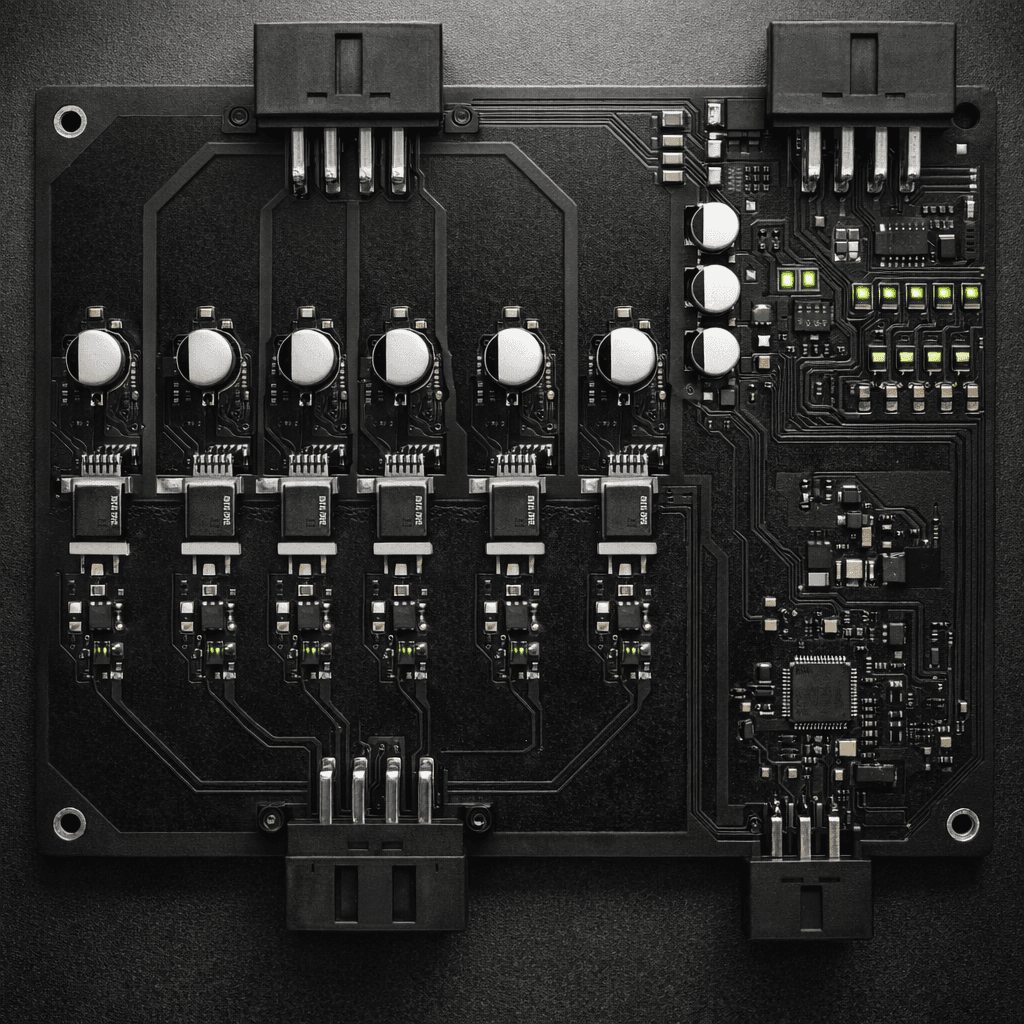
HVAC control platform combining sensing, multi-channel actuation, and reliability decisions shaped for repeated automotive use.

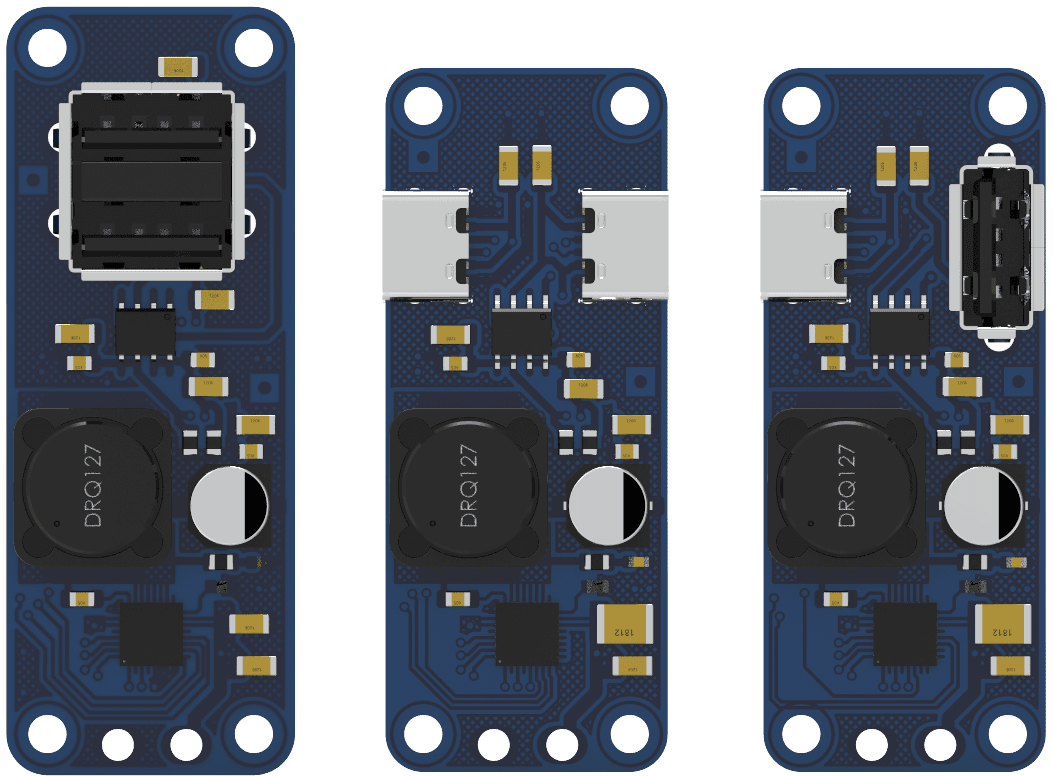
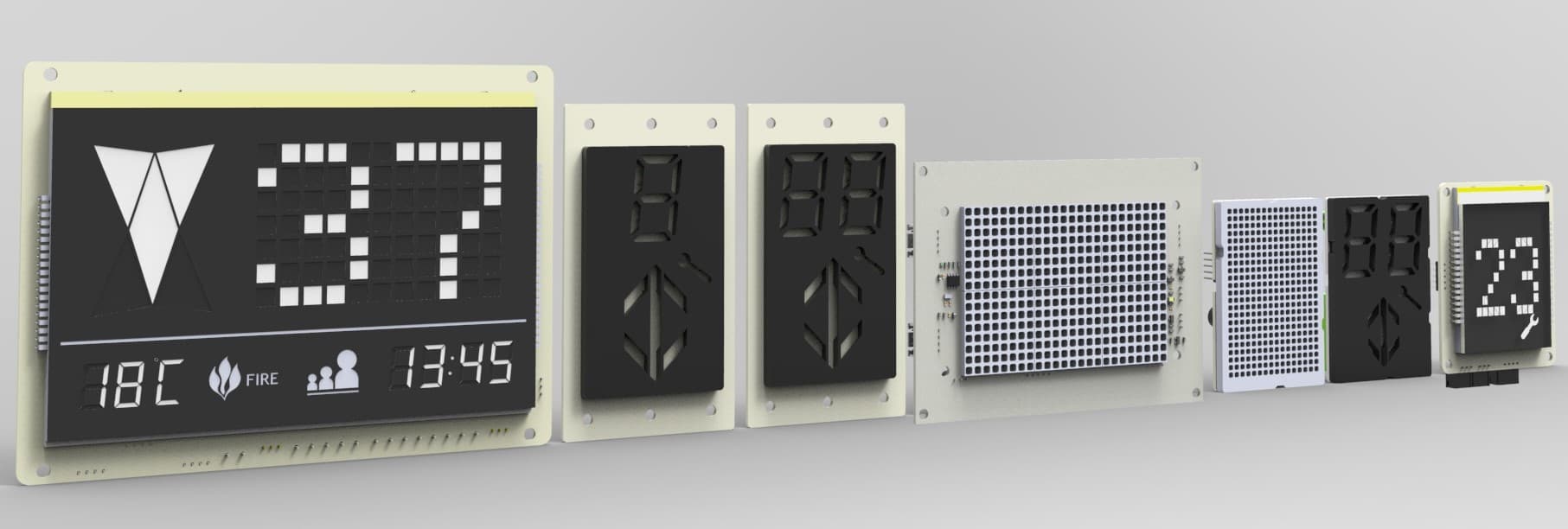
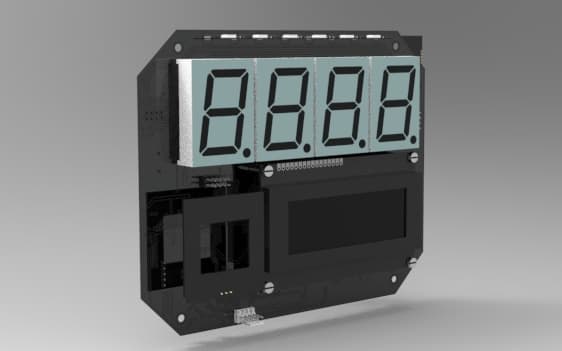
Passenger-facing interface board for communication handling, embedded interaction, and dependable system integration.

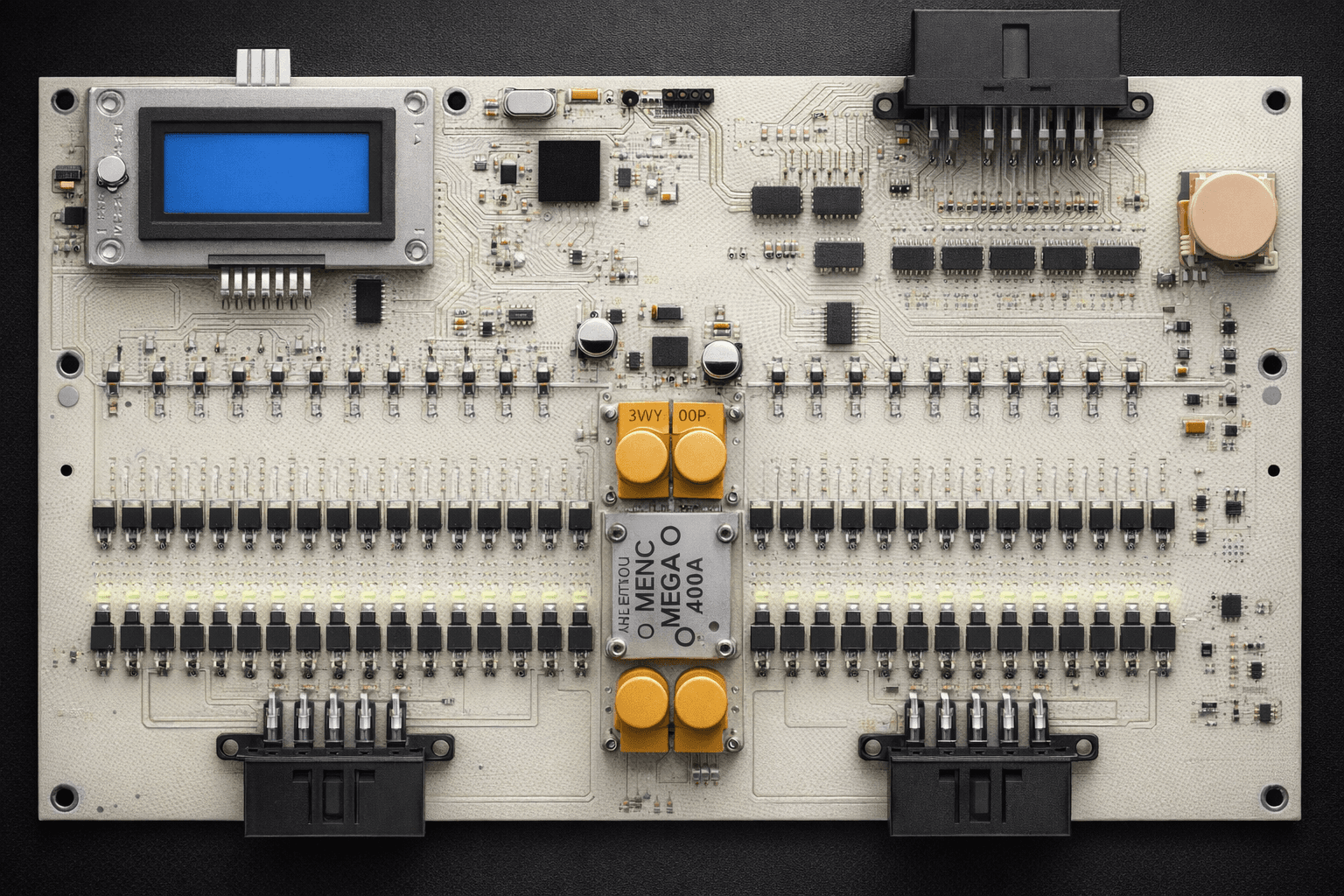
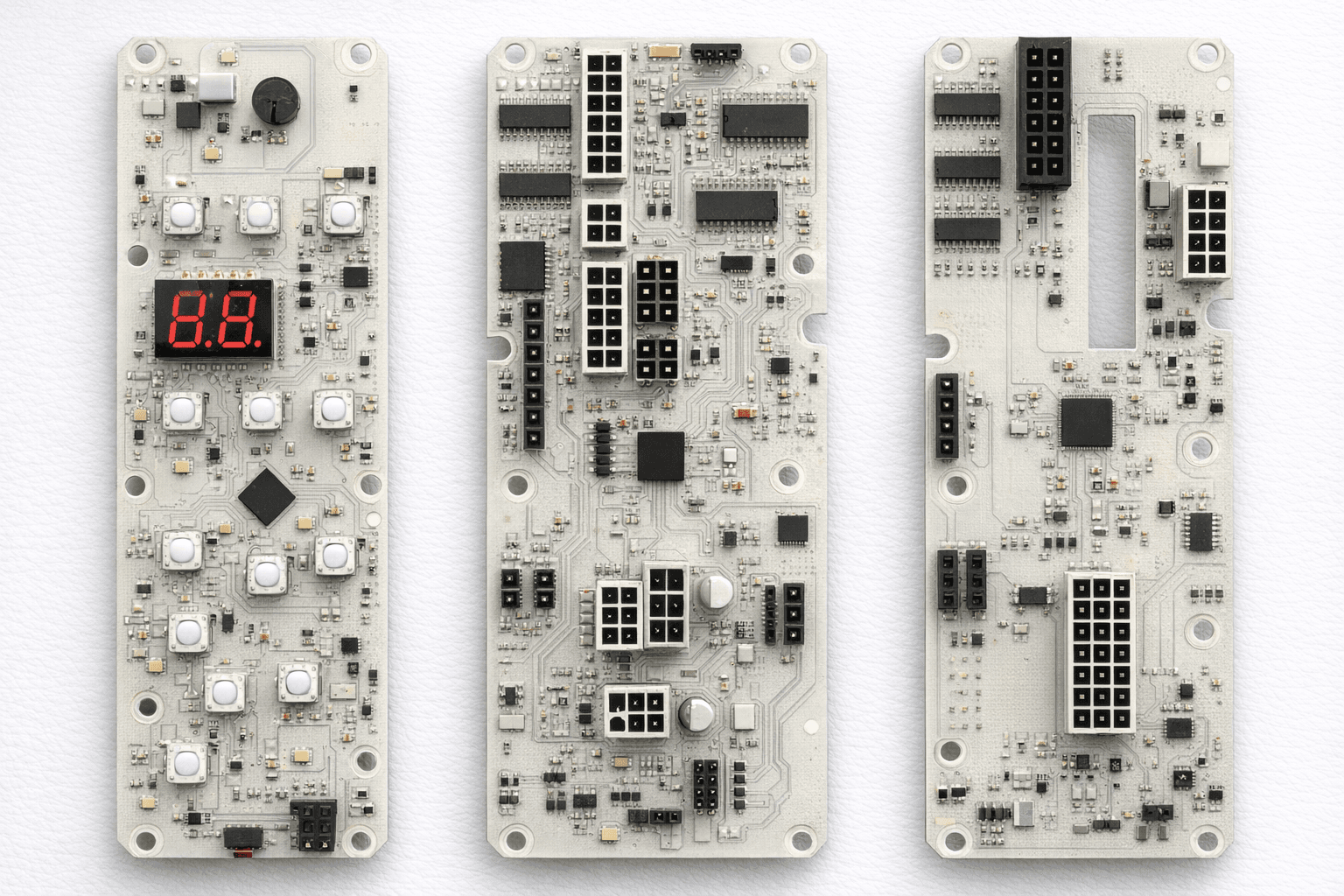
Custom automotive control platform structured around subsystem coordination, diagnostics visibility, and production-minded execution.
A multi-node industrial IoT platform designed for production visibility, traceability, and real-time line monitoring across distributed stations.

UHF RFID vehicle-identification platform designed for contactless recognition, secure authorization, and dependable field use across operational environments.

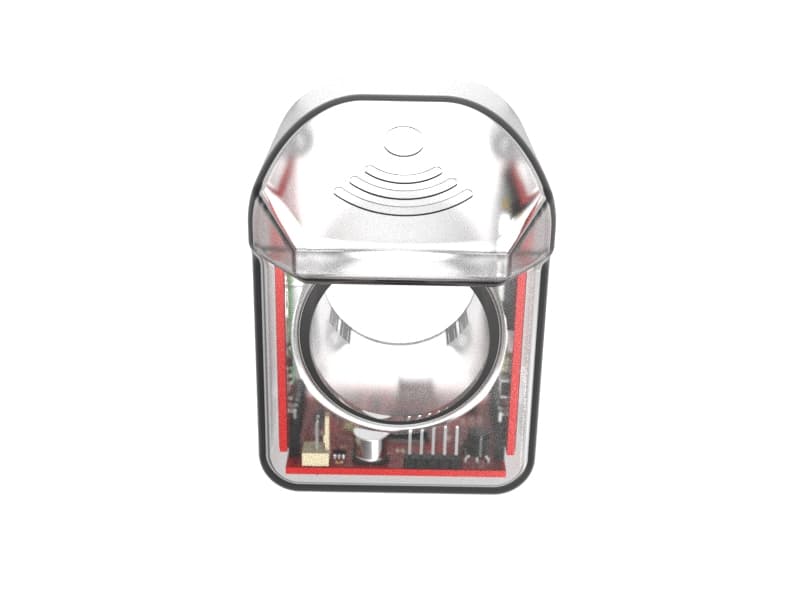
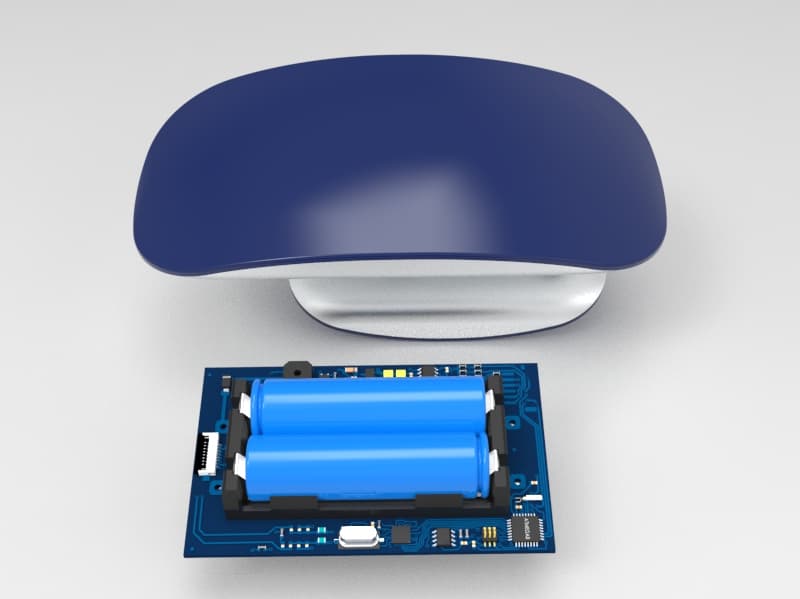
Battery-powered RFID hotel-door access platform designed for compact enclosure integration, credential reading, and dependable daily operation.
The call-to-action flow is designed to reduce hesitation. First review fit, then inspect representative work, then send a concise technical brief for a clear next step.
A short technical summary is enough to start. More detailed files can follow after scope alignment.
Use the expertise and process sections to understand whether the engineering scope matches your product needs.
Open selected programs and project pages to see how architecture, PCB execution, and validation are presented.
Share the product type, main constraints, and expected output to begin with a clean technical exchange.
A short, structured brief is enough to begin. Describe the product, operating conditions, electrical constraints, interfaces, and the level of support you expect.